How to Grow and Care for Peace Lilies: A Complete Guide
Have you ever wondered how to grow those elegant, air-purifying peace lilies that seem to thrive in every interior design magazine? Peace lilies (Spathiphyllum) are among the most popular houseplants for good reason. With proper peace lily watering techniques and care, these stunning plants can transform your living space while improving air quality. Setting up your peace lily care routine is similar to configuring an ibo player – once you understand the basics, it becomes second nature and the results are incredibly rewarding.
Materials & Supplies
To successfully grow peace lilies at home, you’ll need:
1. Peace lily plant or division – Available at most garden centers or nurseries
2. Well-draining potting mix – Preferably with peat moss, perlite, and organic matter
3. Container with drainage holes – 1-2 inches larger than the root ball
4. Watering can – With a narrow spout for controlled watering
5. Spray bottle – For misting the leaves
6. Liquid houseplant fertilizer – Diluted to half-strength
7. Pruning shears or scissors – For removing dead or yellowing leaves
8. Water filter (optional) – Peace lilies are sensitive to chemicals in tap water
9. Humidity tray (optional) – To increase humidity around the plant
Timing / Growing Schedule

Peace lilies can be purchased and planted year-round as they’re indoor plants. However, the best time to repot or divide them is during spring when they’re entering their active growth phase. From purchase to maturity, expect:
- Establishment period: 2-4 weeks for the plant to adjust to its new home
- Growth cycle: Fastest growth occurs during spring and summer
- Flowering periods: Primarily spring through summer, though indoor specimens may bloom sporadically year-round
- Repotting schedule: Every 1-2 years or when roots become visible at the drainage holes
Step-by-Step Instructions
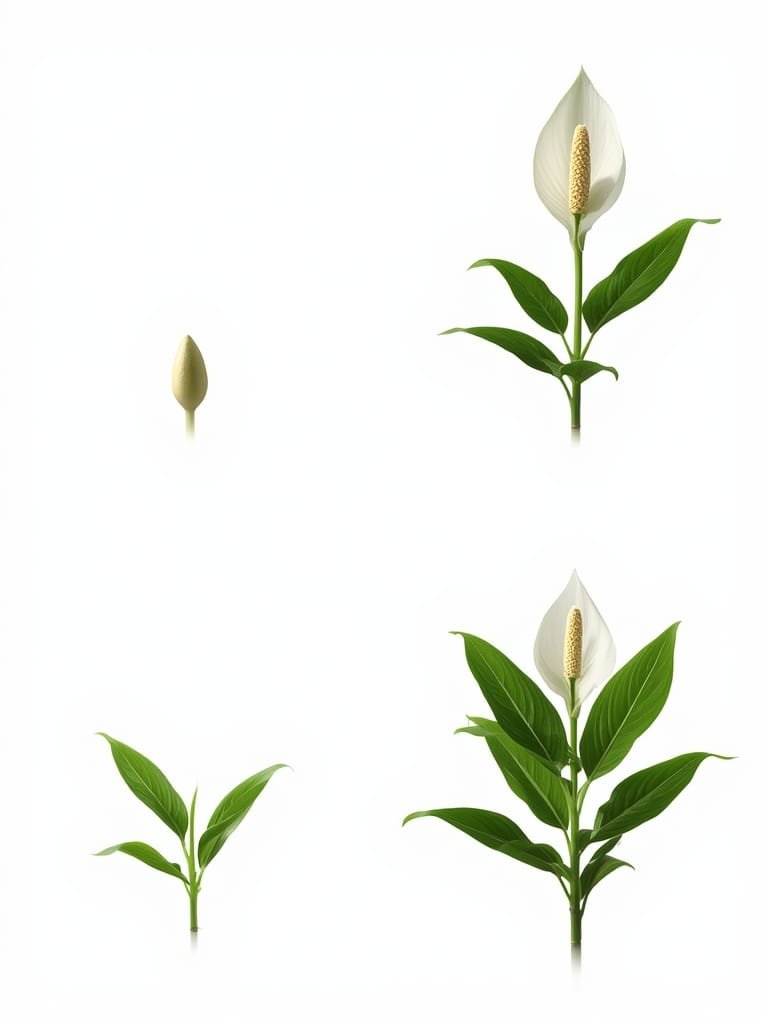
1. Select the right location: Place your peace lily in a spot with bright, indirect light. Direct sunlight will scorch the leaves.
2. Prepare the pot: Fill a container with drainage holes about one-third full with potting mix.
3. Plant your peace lily: Remove it from the nursery pot, gently loosen the roots, and place it in the new container. Fill in with potting mix up to 1 inch below the rim.
4. Establish a proper peace lily watering routine: Water thoroughly when the top inch of soil feels dry. Peace lilies dramatically droop when thirsty but quickly recover after watering, similar to how an ibo player needs proper configuration to perform optimally.
5. Maintain humidity: Mist the leaves regularly or place on a pebble tray with water to increase humidity.
6. Fertilize sparingly: Apply diluted liquid fertilizer every 6-8 weeks during growing season (spring through fall).
Nutritional Benefits / Advantages
Peace lilies offer numerous benefits beyond their aesthetic appeal:
- Air purification: They remove toxins like benzene, formaldehyde, and trichloroethylene from indoor air
- Humidity improvement: Peace lilies release moisture through transpiration, improving air quality
- Stress reduction: Studies show indoor plants like peace lilies can reduce stress and boost mood
- Space enhancement: Their elegant white flowers and glossy green leaves add sophistication to any interior
Tips, Alternative Methods, or Gardening Advice
- Bathroom growth: Peace lilies thrive in bathrooms due to higher humidity and filtered light
- Office environments: They tolerate fluorescent lighting, making them ideal office plants
- Division technique: Divide larger plants during repotting to create new specimens
- Decorative containers: Use decorative outer pots without drainage, keeping the plant in a plastic nursery pot inside for proper drainage
Common Mistakes to Avoid

1. Overwatering: More peace lilies die from overwatering than underwatering. Wait until the top inch of soil is dry before watering again.
2. Incorrect light exposure: Too much direct sunlight causes yellowing leaves; too little light prevents flowering.
3. Using cold water: Peace lilies prefer room temperature water; cold water can shock the roots.
4. Neglecting dust: Dusty leaves reduce the plant’s ability to photosynthesize. Wipe leaves occasionally with a damp cloth.
5. Inconsistent care: Erratic watering and environmental changes stress the plant.
Storage / Maintenance Tips
- Seasonal adjustments: Reduce watering in winter when growth slows
- Pruning routine: Remove yellowing or browning leaves at the base with clean shears
- Flower removal: Cut spent flowers at the base when they begin turning green
- Pest monitoring: Regularly check for spider mites or aphids, especially under leaves
- Annual refresh: Replace the top inch of soil each spring to replenish nutrients
Conclusion
Growing peace lilies at home creates a beautiful, healthier living environment with minimal effort. The key to success lies in understanding your plant’s needs, especially when it comes to proper peace lily watering and light conditions. Like setting up an ibo player for optimal viewing experiences, caring for your peace lily properly rewards you with stunning white blooms and lush foliage. Why not start your peace lily journey today? Your home and your well-being will thank you.
FAQs
Why are my peace lily’s leaves turning yellow?
Yellowing leaves usually indicate overwatering or too much direct sunlight. Ensure proper drainage and move to a spot with bright, indirect light.
How often should I repot my peace lily?
Repot every 1-2 years or when roots become visible at drainage holes. Choose a pot just 1-2 inches larger than the current one.
Can peace lilies grow in water only?
While they can survive in water temporarily, long-term growth requires soil for proper nutrient uptake and root development.
Are peace lilies toxic to pets?
Yes, peace lilies contain calcium oxalate crystals that are toxic to cats and dogs. Keep them out of reach of curious pets.
Why isn’t my peace lily flowering?
Insufficient light is the most common reason for lack of blooms. Move to a brighter location with indirect light, but avoid direct sun.